
Shaping Light from Above: Flat-Lay Magic for Makers
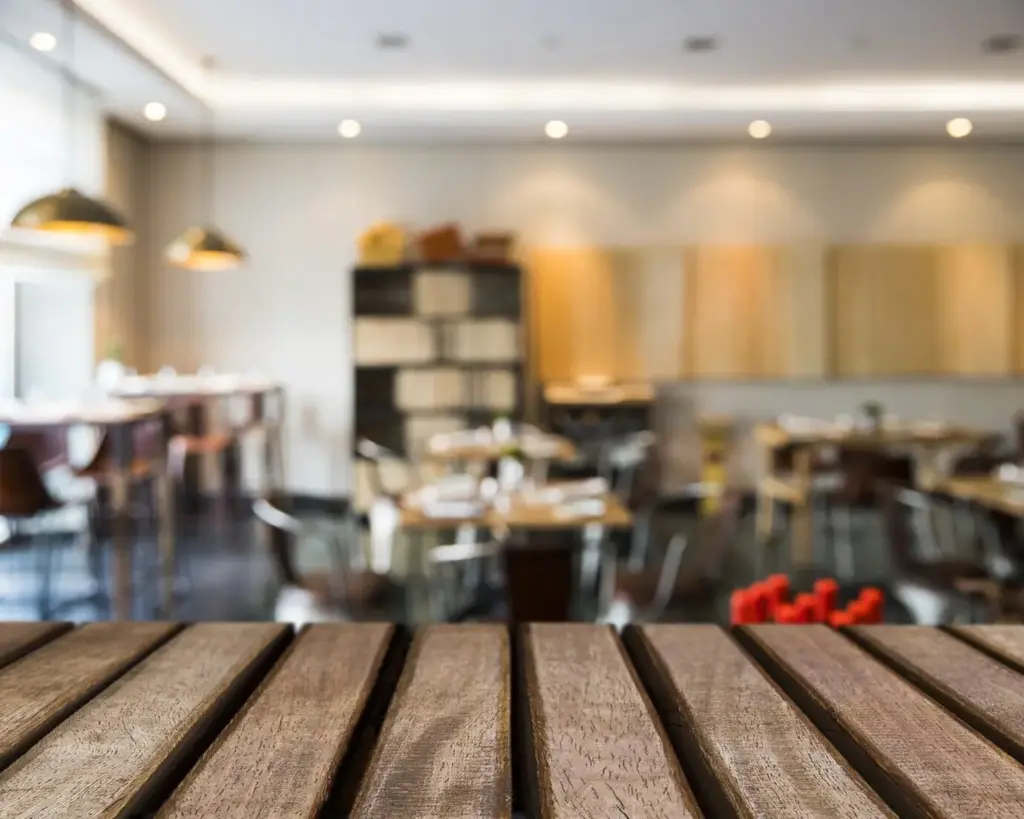
Today we dive into lighting and flat-lay photography techniques for tabletop makers, celebrating the craft behind beautifully lit miniatures, game pieces, and handmade props. Expect practical setups, honest stories, precision tips, and creative prompts that help your work look intentional, tactile, and irresistible. Bring your curiosity, test ideas alongside us, and share results with our community so we can learn collectively and refine skills that translate from simple home studios to polished, portfolio-ready presentations.

Light Fundamentals That Make Products Shine

Before building any elaborate setup, understand how softness, direction, and color quality shape mood and detail. Small objects exaggerate reflections and shadows, so slight changes matter greatly. We will balance clarity with atmosphere, ensuring textures pop without glare, and colors remain honest. Mastering the basics turns improvisation into control, saving time, simplifying choices, and creating repeatable looks that make your tabletop creations feel premium, consistent, and unmistakably yours.

Natural Light You Can Predict

Window light offers charming softness and honest color that flatter handmade objects. The challenge is variability. Learn how time of day, cloud cover, season, and floor reflections alter contrast and highlights. By logging a week of test shots, you will identify reliable windows, preferred angles, and predictable exposure baselines. These habits let you plan shoots around daylight rhythms, maintaining creative flexibility while keeping results consistent and share-worthy.

Artificial Control Without the Guesswork

{{SECTION_SUBTITLE}}

Continuous LEDs Versus Flash for Tabletop Scale

Continuous LEDs show you what you get, ideal for beginners and delicate styling adjustments. Flash offers efficiency, freezing hand shake and allowing lower ISO for pristine detail. For flat-lays, both shine: LEDs help with placement and micro-reflection control, while flash ensures consistency and crispness. If budget limits you to one approach, start with a high-CRI LED panel and add a small speedlight later for punchy accents or layered dimensionality.

Modifiers that Matter: Softboxes, Scrims, Bounce Cards

On a small set, modifier choices dramatically change results. A rectangular softbox mimics window light, a scrim spreads light luxuriously, and bounce cards steer subtle fill without clutter. Build a kit of white, black, and silver cards for nuanced control. Black cards deepen edges and reduce spill, silver cards spark metallic textures, and white cards boost midtones. Label sizes and positions so you can replicate your favorite looks across shoots effortlessly.

Guides: Rule of Thirds, Symmetry, and Grids

Start with thirds to avoid centered stagnation, then experiment with symmetry for formal, elegant presentations. Use a light grid overlay while tethered to keep spacing disciplined. Repetition of shapes, like circular dice or bottle caps, creates harmonies that soothe the eye. Counterbalance with a single contrasting element to establish hierarchy. A consistent visual system makes series feel cohesive, encouraging visitors to scroll, linger, and remember your distinctive arrangement style.

Prop Styling for Context and Scale

Choose props that whisper purpose. A cutting mat suggests making, a ruler reveals size, a paintbrush hints process, and a notebook promises ideas. Keep palettes coordinated so accents support the hero piece. If you feature cards, tokens, or components, add a human touch like a fingertip or sleeve edge for life. Test various densities: spacious layouts communicate calm sophistication, while denser clusters feel energetic, workshop-driven, and delightfully tactile.

Negative Space, Breathing Room, and Textures

Empty space is not wasted; it frames intent. Let backgrounds breathe so key pieces read clearly, then strategically introduce texture—linen, butcher paper, or matte tile—to ground the scene. Avoid glossy surfaces unless you control reflections. A subtle diagonal nap or grain adds movement without distraction. As you refine spacing, consider how captions will overlay in social posts, reserving clean areas that keep text legible while preserving the photograph’s visual integrity and impact.

Tripods, C-Stands, and DIY Booms

Secure the camera directly above the set without compromising safety. A center-column tripod that flips, a sturdy C-stand, or a DIY wood boom can all work when counterweighted correctly. Check flex and creep before placing fragile pieces below. Tape focus and mark leg positions. If shooting long sessions, add a remote trigger to prevent shake. A little up-front engineering protects your craft, your lens, and your peace of mind during intricate styling.

Surfaces, Backdrops, and Sweep Boards

Backdrops define mood and color harmony. Build a library: neutral paper sweeps for clean product shots, textured boards for artisan warmth, and color cards for seasonal energy. Keep a consistent scale pattern so objects read predictably. A matte finish minimizes glare and simplifies retouching. Label each surface with quick notes about how it behaves under specific lights. This catalog approach ensures you can recreate winning combinations and pivot quickly when creative direction shifts.

Cable Management, Safety, and Efficiency

Tidy cables prevent snags and tragic spills. Run cords along stands, tape them to the floor, and keep a dedicated power strip within reach. Use velcro ties, color code triggers, and label batteries. Keep a small safety checklist near the rig: lens cap off, tether secured, sandbags stable, clamps tightened. This routine reduces accidents and frees your attention for creative decisions like micro-prop placement, highlight control, and precise white balance adjustments.

Workflow, Editing, and Sharing Your Craft

A disciplined workflow transforms enjoyable sessions into dependable results. Tethered capture exposes issues early, while a consistent file structure accelerates editing. Calibrated monitors keep colors trustworthy. In post, aim for clarity and texture without overprocessing. Export sizes tailored to platforms preserve detail and loading speed. Add captions that tell process stories, invite questions, and encourage followers to try techniques. Subscribe, comment, and tag your experiments so we can celebrate progress together.

Tethered Capture and Live View for Precision

Tethering reveals focus errors, dust flecks, and crooked props before they ruin a batch. Use grid overlays, magnified focus checks, and exposure zebras for confidence. Create a naming convention that links to lighting notes, then save snapshots of setups. This discipline lets you replicate wins rapidly, troubleshoot calmly, and produce consistent sets for product updates, commissions, or shop refreshes without reinventing everything each time you open the camera bag.

Color, Contrast, and Texture in Post

Start with a neutral profile, correct white balance with your reference shot, then fine-tune contrast so materials feel dimensional yet honest. Subtle clarity can enhance grain, fabric, or brush strokes; use it carefully to avoid halos. Selective color adjustments maintain brand palettes, while gentle vignettes keep attention on hero elements. Build reusable presets for different lighting scenarios, then iterate on copies so you can compare versions without fear of losing a promising direction.

Exporting, Captions, and Community Engagement

Export at platform-appropriate sizes and compression levels to protect detail while ensuring fast display. Pair images with captions explaining lighting choices, prop decisions, and lessons learned, then ask a specific question inviting responses. Encourage readers to share before-and-after tests, tag your handle, and subscribe for future experiments. Community feedback accelerates growth, sparks fresh ideas, and keeps motivation high during busy making seasons and late-night editing sprints when inspiration starts to fade.

Rirutirevaku
Privacy Overview

This website uses cookies so that we can provide you with the best user experience possible. Cookie information is stored in your browser and performs functions such as recognising you when you return to our website and helping our team to understand which sections of the website you find most interesting and useful.